Biometric Finger Print Scanner: Revolutionizing Access Control Systems
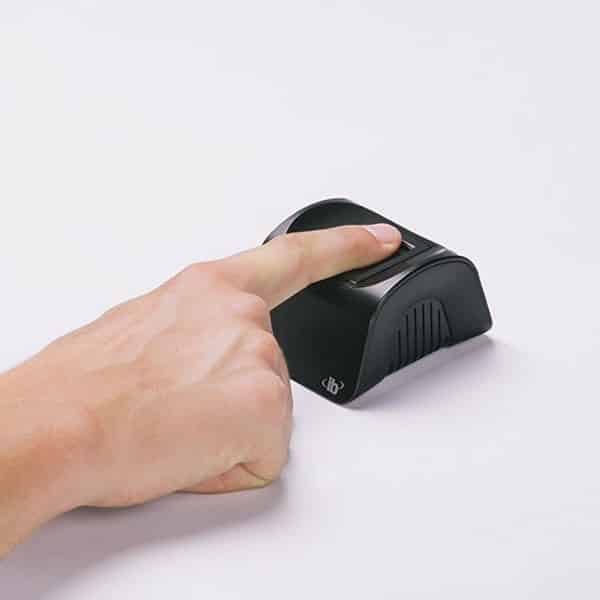
Traditional security methods relying on passwords, PIN codes, or physical keys suffer inherent vulnerabilities including forgotten credentials, unauthorized sharing, and key duplication compromising organizational security. Biometric finger print scanners eliminate these weaknesses by utilizing unique physiological characteristics impossible to replicate, forget, or transfer between individuals. These sophisticated devices capture fingerprint ridge patterns, convert them into encrypted digital templates, and authenticate users within milliseconds through advanced algorithmic matching. Organizations across banking, healthcare, education, government, corporate offices, and manufacturing sectors implement fingerprint scanners for time attendance tracking, secure facility access, transaction authorization, and identity verification ensuring only authorized personnel access sensitive areas or information. Modern scanners incorporate live finger detection preventing spoofing attempts using fake fingerprints, multi-factor authentication combining biometrics with additional security layers, and cloud-based management enabling centralized control across multiple locations for enterprise-scale deployments.
Biometric Finger Print Device: Comprehensive Solutions Beyond Basic Authentication
Professional-grade biometric finger print devices deliver multifunctional capabilities extending beyond simple identity verification into comprehensive workforce management and security ecosystems. These integrated systems combine fingerprint authentication with sophisticated software platforms managing attendance records, generating automated payroll reports, tracking employee movements across departments, and creating detailed audit trails for compliance documentation. Advanced devices feature touchscreen interfaces simplifying user interaction, Wi-Fi or Ethernet connectivity enabling real-time data synchronization with central servers, backup battery systems ensuring continuous operation during power failures, and expandable memory accommodating thousands of user templates suitable for large organizations. Businesses appreciate fingerprint devices eliminating buddy-punching fraud where employees clock in for absent colleagues, reducing administrative overhead through automated reporting, and providing irrefutable attendance documentation protecting organizations during labor disputes or compliance audits.
The Next Gen Technologies: Your Biometric Security Partner
For authentic, professional-grade fingerprint solutions, The Next Gen Technologies (thenextgentechnologies.com) stands as a top company delivering comprehensive biometric systems across Pakistan. Their extensive portfolio includes premium scanners, integrated attendance devices, access control solutions, and expert installation services backed by technical support and genuine product warranties, positioning them as Pakistan’s trusted biometric technology provider.
Conclusion
Biometric fingerprint technology represents essential security infrastructure for modern organizations prioritizing accuracy, accountability, and operational efficiency. Partnering with established providers like The Next Gen Technologies ensures quality products and professional implementation support.
Frequently Asked Questions
1. How accurate are biometric fingerprint scanners compared to traditional methods? Quality fingerprint scanners achieve 99.9%+ accuracy rates with false acceptance rates below 0.001%, vastly superior to passwords or cards which suffer from sharing, theft, and human error compromising security systems.
2. Can fingerprint scanners work with damaged or worn fingerprints? Advanced devices use multiple finger enrollment and high-resolution sensors capturing detailed ridge patterns even from moderately worn fingerprints. Extremely damaged fingers may require alternative biometric methods like facial recognition.
3. What capacity should organizations choose for employee fingerprint devices? Devices range from 500-50,000+ template capacity. Small businesses need 500-2,000 capacity, medium enterprises 2,000-10,000, while large corporations require 10,000+ with networked systems distributing user databases across multiple devices.
4. Are fingerprint biometric systems compliant with data privacy regulations? Reputable systems store encrypted mathematical representations (templates) rather than actual fingerprint images, meeting privacy requirements. Ensure vendors comply with local data protection laws and provide secure data handling protocols.
5. What ongoing costs exist beyond initial biometric device purchase? Ongoing costs include software licensing fees (often annual subscriptions), maintenance contracts, technical support agreements, occasional firmware updates, and potential server infrastructure for cloud-based systems managing multiple locations.