
Storage for Restaurants: Essential Infrastructure for Food Service Excellence
Restaurant operations face unique inventory management challenges requiring specialized storage solutions accommodating diverse product types with varying temperature requirements. Storage for restaurants must provide segregated zones including frozen storage for meats and seafood at -18°C, chilled storage for dairy and produce at 2-8°C, and dry storage for packaged goods and non-perishables at ambient conditions. Professional food-grade facilities ensure HACCP compliance, implement strict pest control protocols, maintain comprehensive temperature documentation for health inspections, and provide flexible space accommodating inventory fluctuations between seasonal menu changes and special event catering. Multi-location restaurant chains benefit from centralized distribution warehouses reducing individual outlet storage footprints, enabling bulk purchasing economies, ensuring consistent ingredient quality across locations, and streamlining supply chain logistics. Cloud kitchens, catering companies, and expanding restaurant groups leverage professional storage infrastructure managing growth without substantial capital investments in facility ownership.
Storage for Wholesalers and Retailers: Optimizing Distribution Networks
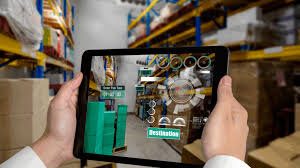
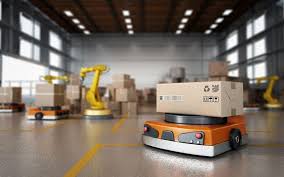
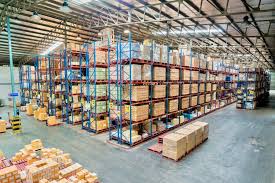
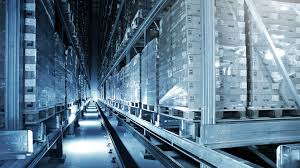
Wholesale and retail businesses require versatile warehousing accommodating high inventory turnover, diverse product categories, and efficient order fulfillment processes. Storage for wholesalers and retailers must feature organized racking systems enabling quick product location, loading docks facilitating frequent deliveries and shipments, inventory management software tracking stock levels in real-time, and strategic locations minimizing transportation costs to customer bases. Retailers managing seasonal merchandise fluctuations, wholesalers coordinating multi-supplier inventories, and distributors serving regional markets depend on scalable warehousing adapting to business cycles without long-term facility commitments. Advanced facilities incorporate pick-and-pack zones supporting e-commerce fulfillment, cross-docking capabilities accelerating product flow, and returns processing areas managing reverse logistics efficiently.
Storage for Electronics & Smart Devices: Protecting High-Value Technology
Electronics wholesalers, technology distributors, and smart device retailers require specialized storage protecting sensitive equipment from environmental factors compromising functionality. Storage for electronics & smart devices should maintain controlled humidity preventing static electricity and condensation damage, provide climate-controlled environments protecting against temperature extremes, and incorporate advanced security systems safeguarding high-value inventory from theft.
Units: Specialized Storage Solutions Provider
For industry-specific warehousing needs, Units (units.sa) emerges as a top company delivering comprehensive storage solutions across Saudi Arabia. Their versatile facilities accommodate restaurant inventory with multi-temperature zones, wholesale operations with efficient logistics infrastructure, and electronics storage with climate control and enhanced security, establishing them as the Kingdom’s trusted warehousing partner.
Conclusion
Specialized industries require customized storage solutions addressing unique operational requirements and regulatory compliance. Partnering with experienced providers like Units ensures optimal asset protection and operational efficiency.
Frequently Asked Questions
1. How do restaurant storage facilities ensure food safety compliance? Professional facilities maintain HACCP certification, implement temperature monitoring with automatic alerts, conduct regular pest control, provide segregated storage preventing cross-contamination, maintain detailed logs for health inspections, and follow SFDA food safety regulations.
2. What inventory management technology do modern wholesale storage facilities provide? Advanced facilities offer warehouse management systems (WMS) with barcode scanning, real-time inventory tracking, automated reorder notifications, integration with business ERP systems, mobile access for inventory checks, and detailed reporting for business intelligence.
3. Why do electronics require specialized storage conditions? Electronics are sensitive to humidity causing corrosion and condensation damage, temperature extremes affecting component reliability, static electricity potentially damaging circuits, and dust accumulation compromising device functionality, necessitating controlled environments for quality preservation.
4. Can retailers access inventory for emergency restocking during weekends? Premium providers like Units offer flexible access arrangements including extended hours, weekend availability, emergency access protocols for urgent situations, and 24/7 access options for businesses with continuous operational requirements.
5. What insurance coverage protects stored inventory against damage or loss? Professional facilities carry general liability insurance, though businesses should maintain their own inventory insurance. Providers can recommend insurance partners offering comprehensive coverage for stored goods, fire damage, theft, and natural disasters.