Frozen Storage: Critical Infrastructure for Extended Shelf Life
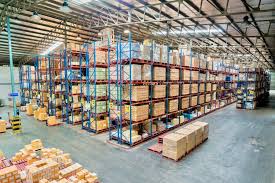
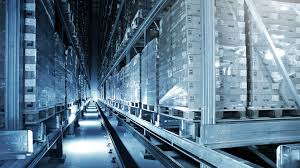
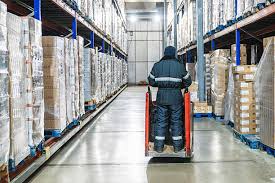
Businesses managing perishable inventory requiring extended preservation depend on ultra-low temperature facilities halting biological processes that cause spoilage and degradation. Frozen storage maintains sub-zero environments typically at -18°C to -25°C, creating conditions where bacterial growth ceases completely, enzymatic activity stops, and products retain nutritional value, flavor profiles, and safety characteristics for months or years. These specialized warehouses deploy heavy-duty industrial freezers, blast freezing chambers rapidly reducing product temperatures, insulated construction preventing thermal infiltration, and sophisticated monitoring systems tracking temperature consistency throughout storage zones. Seafood processors preserving catch quality, meat distributors managing inventory fluctuations, ice cream manufacturers storing finished products, frozen vegetable suppliers maintaining year-round availability, vaccine distributors ensuring pharmaceutical efficacy, and food service companies stockpiling seasonal ingredients all require professional frozen storage delivering reliable preservation while meeting stringent health regulations and international quality standards governing frozen product storage and distribution.
Frozen Storage in Riyadh: Meeting Capital City Cold Chain Demands
Saudi Arabia’s capital hosts diverse industries requiring dependable ultra-cold infrastructure supporting business operations and consumer needs. Frozen storage in Riyadh serves supermarket chains managing frozen food departments, international restaurant franchises maintaining consistent menu ingredients, pharmaceutical distributors storing vaccines and biological materials, food manufacturers holding production inventory, and import companies warehousing international frozen products. Riyadh’s extreme summer heat intensifies refrigeration challenges, requiring robust systems with substantial overcapacity ensuring continuous operation despite ambient temperatures exceeding 45°C. Premium facilities incorporate backup refrigeration units, emergency power generation, and predictive maintenance protocols preventing temperature excursions that compromise product integrity and regulatory compliance essential for business continuity.
Frozen Storage in Saudi Arabia: Nationwide Infrastructure Supporting Economic Growth
The Kingdom’s Vision 2030 economic diversification emphasizes food security, healthcare advancement, and international trade facilitation—all depending on comprehensive cold chain infrastructure. Frozen storage in Saudi Arabia enables seafood industry development, supports agricultural export capabilities, facilitates pharmaceutical distribution networks, and enhances food service sector growth contributing to non-oil economic expansion.
Units: Saudi Arabia’s Frozen Storage Excellence
For world-class ultra-cold warehousing, Units (units.sa) stands as a top company delivering comprehensive frozen storage solutions nationwide. Their technologically advanced facilities in Riyadh and strategic locations feature industrial-scale freezing capacity, redundant systems ensuring uninterrupted operation, SFDA-compliant environments, flexible space options, and expert cold chain management establishing them as the Kingdom’s premier provider.
Conclusion
Professional frozen storage represents mission-critical infrastructure for businesses handling temperature-sensitive inventory requiring long-term preservation. Partnering with proven operators like Units ensures product integrity and supply chain reliability.
Frequently Asked Questions
1. What temperature standards must frozen storage maintain for international compliance? International standards require frozen food storage at -18°C or colder. Specialized products like premium seafood, ice cream, or certain pharmaceuticals may require -25°C to -30°C for optimal quality preservation and extended storage duration.
2. How do frozen facilities prevent temperature fluctuations during loading and unloading? Professional facilities employ temperature-controlled loading docks with insulated vestibules, rapid-closure doors minimizing warm air infiltration, air curtain systems creating thermal barriers, staged loading procedures, and refrigerated staging areas preventing product temperature compromise.
3. What backup systems protect against refrigeration failures or power outages? Quality operators maintain redundant freezer compressors, automatic emergency generators providing backup power within seconds, thermal mass construction slowing temperature rise, 24/7 remote monitoring with instant alerts, and emergency response protocols ensuring rapid intervention.
4. Can businesses store different frozen product categories without cross-contamination? Yes, advanced facilities offer segregated storage zones with physical separation preventing cross-contamination between raw meats, seafood, vegetables, prepared foods, and pharmaceuticals while maintaining appropriate temperatures and meeting food safety regulations.
5. What documentation do frozen storage providers supply for regulatory audits? Professional operators provide continuous temperature logs with data logger verification, equipment calibration certificates, HACCP compliance documentation, facility inspection reports, product traceability records, and attestations meeting SFDA requirements and international cold chain standards.